Article Statistics
Things you should know before you build your first hive
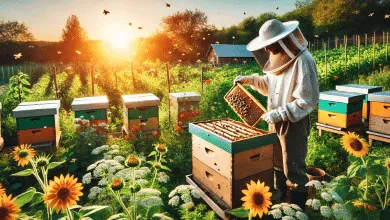
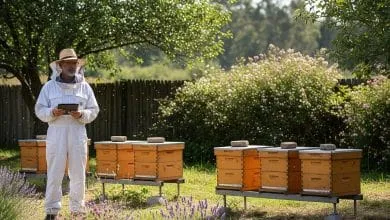
Choose a location that is both healthy for you and beneficial to bees.
Table of Contents
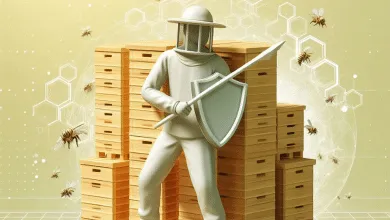
[ Hide ]Safety measures must be taken to ensure the protection of both the bees and the people who share the area with them.
Light: To see the bees’ actions clearly, you will need a bright light.
To operate and maintain the hive, standard size frames are necessary. Additionally, most jurisdictions have laws requiring moveable frames.
Make preparations for how you will avoid and deal with parasites, pests, and predators.
Swarms do occur, so you’ll need to be ready to avoid them and, if necessary, catch them.
Cleaning: You will occasionally need to clean the viewing windows since bees coat the inside of their hives with propolis.

If you are not already a beekeeper, practice for a year or two with a conventional hive before attempting to run an observation hive. Beekeeping is a talent; you don’t need to do much, but you need to know a lot.
Beekeeping supplies for you as a beginners
We’ll try to teach general beekeeping information to individuals who are just getting into beekeeping as a pastime. When thinking about the subject, there are often close to 200 distinct bee materials utilized in beekeeping.
If you’ve decided to start a beekeeping business, you should first have bees. As a beekeeper, you can get bees from internet stores following local bee sellers. In order to avoid dealing with the hive, you can also take the bees along with the hive when you buy bees. You will first need bees in order to use the information we shall talk about below.
Beehive
There are various types of beehives, including Langstrot beehives. while eggs are laid in the bottom layer. Colonies are protected from their surroundings as well as for effective production.

The mask is made of a substance that shields us from bees and stops them from stinging. The beekeeper wears a white clothing that covers their entire body to prevent bee stings.
The beekeeper’s most effective tool must be the bellows. Paper, sawdust, and other materials are burned and their smoke is utilized to quiet the bees.
Gloves: We wear them to protect our hands from bee stings while interacting with them. It serves as a defense against bee stings on the hands.
When removing the tires from a particular cell, a hand iron is employed.
In order to reserve the queen on the ground floor, a queen bee grid was positioned between the hatchery and the honeycomb.
A tool in the shape of a knife or comb is used to cut open the honey’s coating so that it can be filtered.
The stainless steel wire used to precisely link the core to the frame is known as the “frame wire.”
A basic honeycomb is a wax panel that is made from wax, poured into a mold, then attached to a frame.
Installing a Bee Abductor between floors will prevent bees from landing on honeycombs.
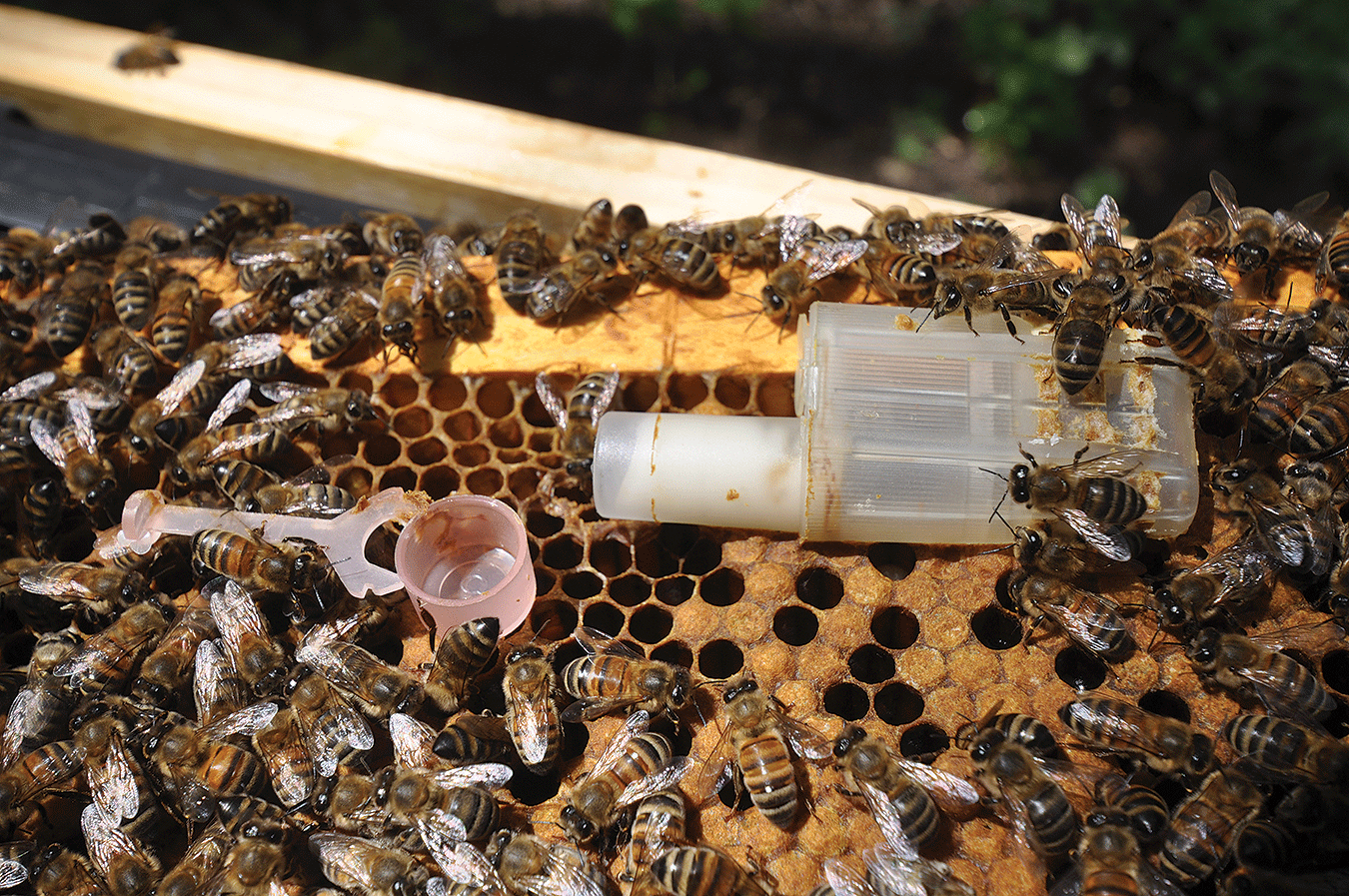
Queen Bee Cage: During transit, the queen bee is enclosed in this cage together with the cake and the workers.
A centrifugal force machine called a honey extraction machine is used to filter bee honey.
Pollen trap: a tool that is affixed to the fly hole and is used to gather pollen off a bee’s legs.
Bees cannot enter a tent used for honey extraction, known as a honey milking tent.
There are the aforementioned beekeeping supplies in this method. However, in general, you may conduct beekeeping with this information. Of course, if you are professionally interested in this business, then we can increase the network of this material.
📚 References & Cited Sources
- Pollen trap: Source
Found this guide useful? Share it as a reference!
Important Copyright Notice
All rights reserved to Bees Partners © 2026. Copying, republishing, translating, or extracting more than 10% of this material is strictly prohibited without prior written consent. For commercial or academic usage, please reach out via email: [email protected].